

CPAP & Sleep Apnea Solutions:
Our team of respiratory therapists provides personalized guidance on CPAP (continuous positive airway pressure) machines, the gold standard for sleep apnea treatment. We’ll help you:
- Understand how CPAP machines work and teach you how to use them
- Choose the right CPAP equipment components, including the pump, tubing, and mask
- Adjust the machine to the proper settings according to your prescription
What Is a CPAP Machine?
There are several types of sleep therapy machines, but a CPAP machine is the most common. It’s designed to send a constant flow of airway pressure to your throat to ensure your airway stays open during sleep, effectively treating the spontaneous pauses in breathing associated with sleep apnea.
Learn more about sleep apnea, its symptoms, diagnosis and what steps you should be taking to get sleep apnea treatment.
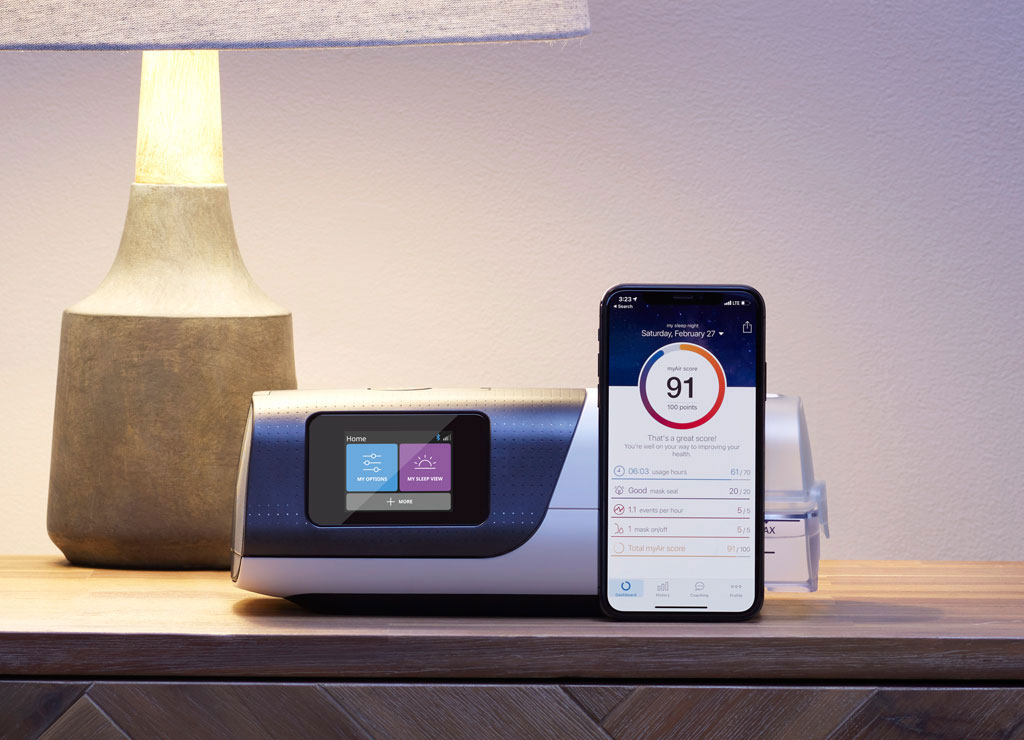
What Components Does a CPAP Machine Have?
A CPAP machine has a pump that controls the airflow, a tube that carries the air from the machine to you, and a mask that goes over your mouth, nose or both. There are three common types of masks, including:
- Nasal Masks: A nasal mask covers the nose only. It's ideal for individuals who breathe through their nose during sleep and offers a comfortable fit and clear field of vision.
- Nasal Pillow Masks: A nasal pillow mask fits under your nose and inserts small pillows or cushions into the nostrils. This is suitable for those who prefer minimal facial contact. It’s lightweight and less intrusive, providing a more open feel.
- Full Face Masks: A full face mask covers both the nose and mouth. It’s recommended for individuals who breathe through their mouth or require higher pressure settings. It ensures effective therapy for both nose and mouth breathers.
CPAP Product FAQs
What is a CPAP machine and what does it do?
A CPAP (Continuous Positive Airway Pressure) machine is a medical device used to treat sleep apnea by keeping your airway open while you sleep. It delivers a steady flow of pressurized air through a mask to prevent pauses in breathing and maintain healthy oxygen levels throughout the night.
How does a CPAP machine work while I sleep?
A CPAP machine works by gently pushing air through a mask and into your airway to prevent it from collapsing during sleep. This continuous airflow helps reduce snoring, gasping, and interruptions in breathing caused by sleep apnea.
What parts come with a CPAP machine?
- CPAP machine (pump): Generates the airflow needed for therapy.
- Tubing: Carries air from the machine to the mask.
- Mask: Delivers air to your nose, mouth, or both while you sleep.
What types of CPAP masks are available?
- Nasal masks: Cover the nose only and work well for nose breathers.
- Nasal pillow masks: Fit under the nose and provide minimal facial contact.
- Full face masks: Cover the nose and mouth and are ideal for mouth breathers or higher pressure needs.
How do I choose the right CPAP mask?
The right CPAP mask depends on how you breathe, your comfort preferences, and your prescribed pressure settings. A respiratory therapist can help fit and adjust your mask to reduce leaks, improve comfort, and support effective sleep apnea therapy.
Do I need a prescription to get a CPAP machine?
Yes, a prescription from a healthcare provider is required to obtain a CPAP machine. The prescription is based on a sleep study and helps ensure your machine is set to the correct pressure for your specific sleep apnea needs.
How are CPAP pressure settings adjusted?
CPAP pressure settings are adjusted according to your prescription and sleep study results. A respiratory therapist sets the pressure to ensure your airway stays open without causing discomfort, helping you receive effective and safe therapy.
Is it normal for CPAP therapy to feel uncomfortable at first?
Yes, it’s common to need an adjustment period when starting CPAP therapy. Most people become more comfortable within a few weeks as they adapt to the airflow and mask. Support from a respiratory therapist can help address comfort concerns early.
What should I do if my CPAP mask leaks or feels uncomfortable?
If your CPAP mask leaks or feels uncomfortable, adjustments or a different mask style may be needed. A respiratory therapist can help refit the mask or recommend alternatives to improve comfort and ensure an effective seal.
Can I sleep on my side with a CPAP machine?
Yes, many people sleep on their side while using CPAP therapy. Certain mask styles and pillow designs make side‑sleeping more comfortable without disrupting airflow or causing leaks.
Can I travel with a CPAP machine?
Yes, CPAP machines are portable and approved for air travel. Bringing your CPAP with you while traveling helps ensure consistent sleep apnea treatment wherever you go.
What is sleep apnea?
Sleep apnea is a sleep disorder marked by repeated pauses in breathing during sleep. Common symptoms include loud snoring, daytime fatigue, morning headaches, and restless sleep. Proper diagnosis and treatment are important for long‑term health.
What are the different types of PAP therapy devices?
- CPAP: Delivers continuous, steady air pressure.
- BiPAP: Provides different pressure levels for inhaling and exhaling.
- APAP: Automatically adjusts pressure throughout the night based on breathing needs.
How can a respiratory therapist help with CPAP therapy?
A respiratory therapist provides hands‑on support with CPAP equipment, mask selection, fitting, and education. Their guidance helps ensure your therapy is comfortable, effective, and properly adjusted over time.